
AirTag Wallet Case · Independent Product · Physical Design
Keep track without the bulk.
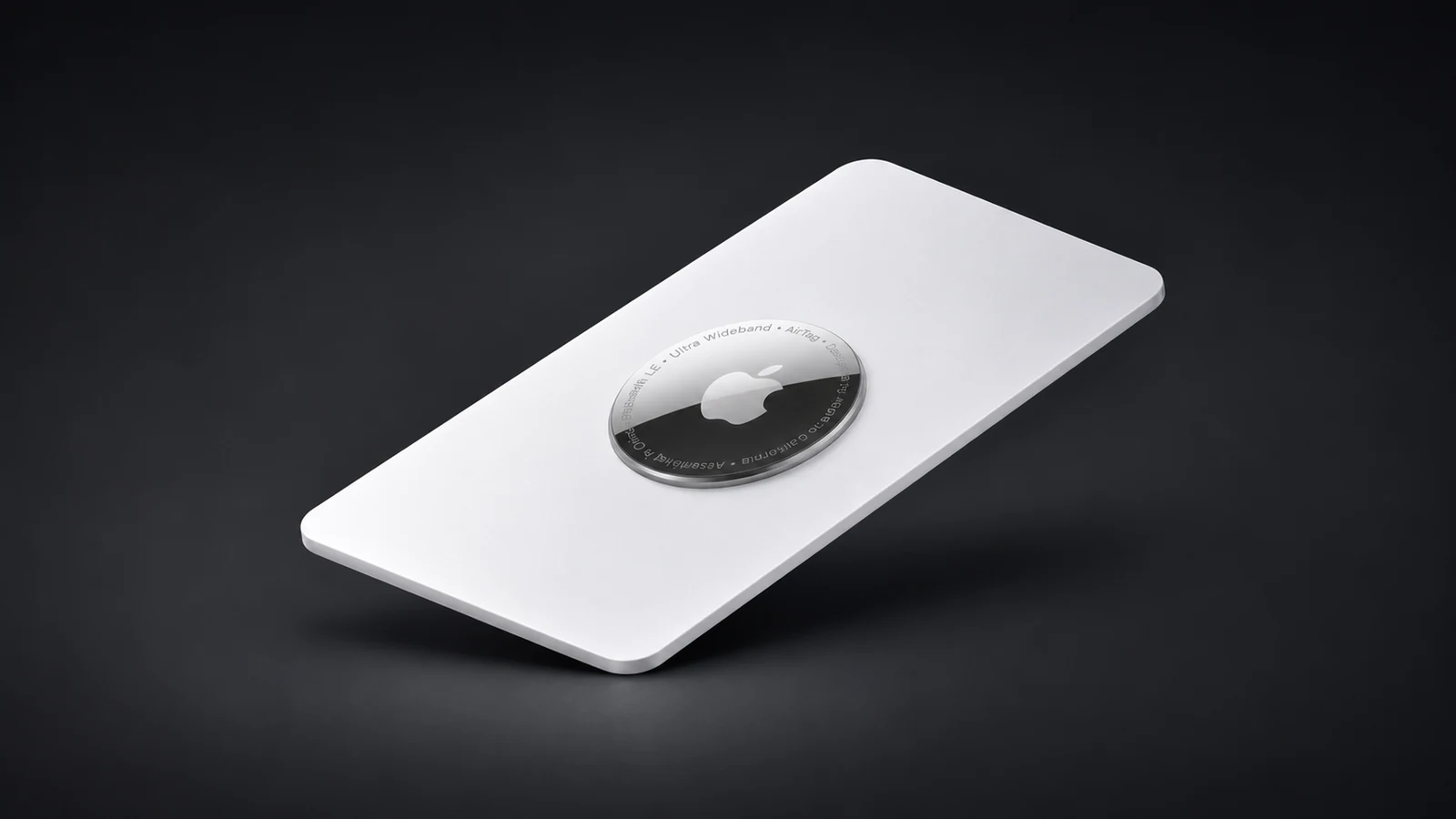
I independently designed, prototyped, and commercialized a minimalist AirTag wallet holder that addresses the limitations of carrying Apple's tracking device in everyday wallets. Through user research, material exploration, and iterative testing, I transformed a simple consumer problem into a commercially successful product.
- Role
- Product Designer & Project Lead
- Team
- Independent Project
- Commercial Impact
- ~10,000 Units Sold
A small device. An everyday problem.
Apple AirTag introduced a simple way to keep track of personal belongings. However, its circular form and thickness made it difficult to carry securely inside a traditional wallet.
Through user interviews and observation, I identified two recurring frustrations: the device would frequently shift or fall out, and its shape created an uncomfortable bulge.
The opportunity was to design an accessory that integrated naturally into an object people already carried every day, without compromising its practicality.
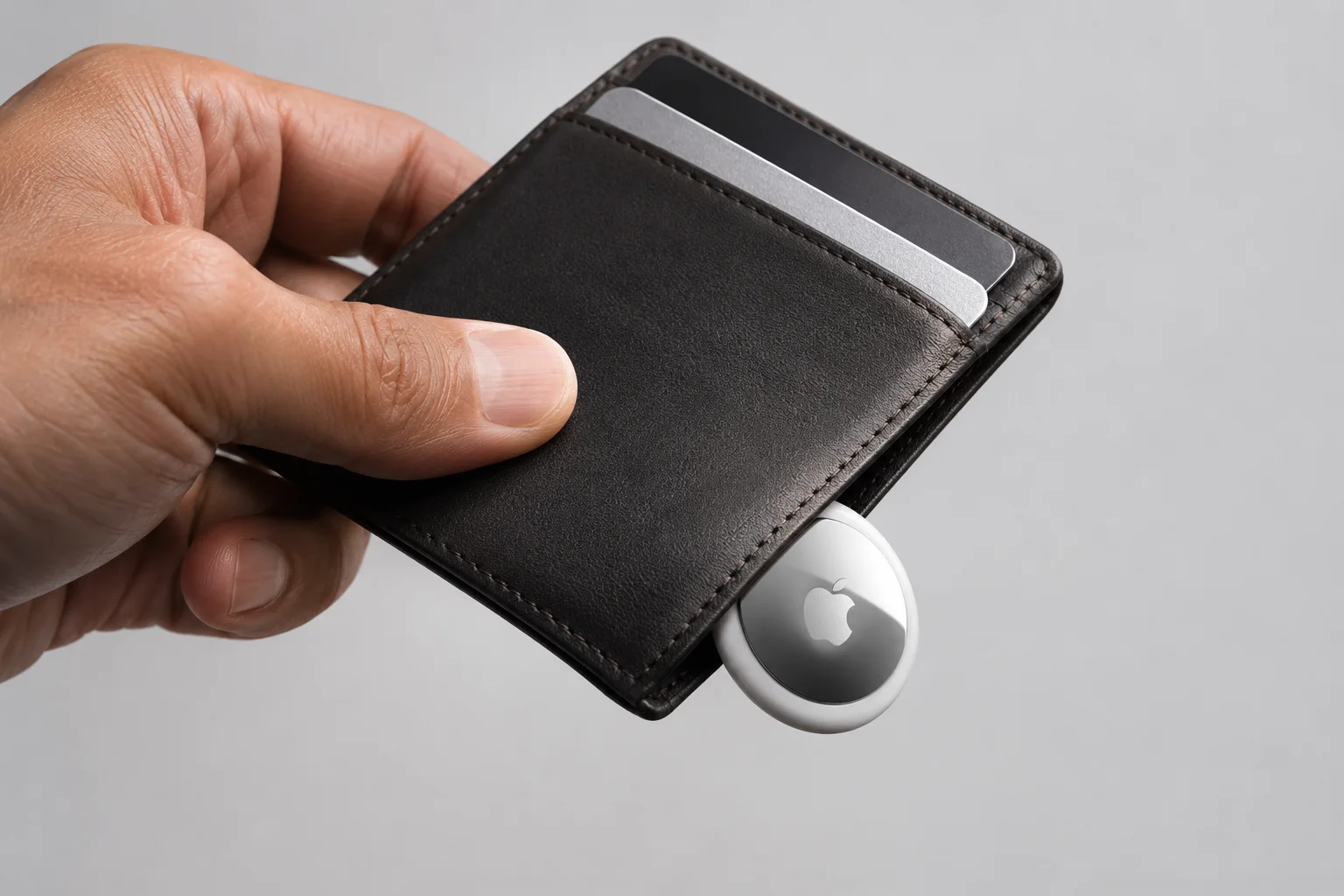
Lack of security
The AirTag could shift or slip out of the wallet.
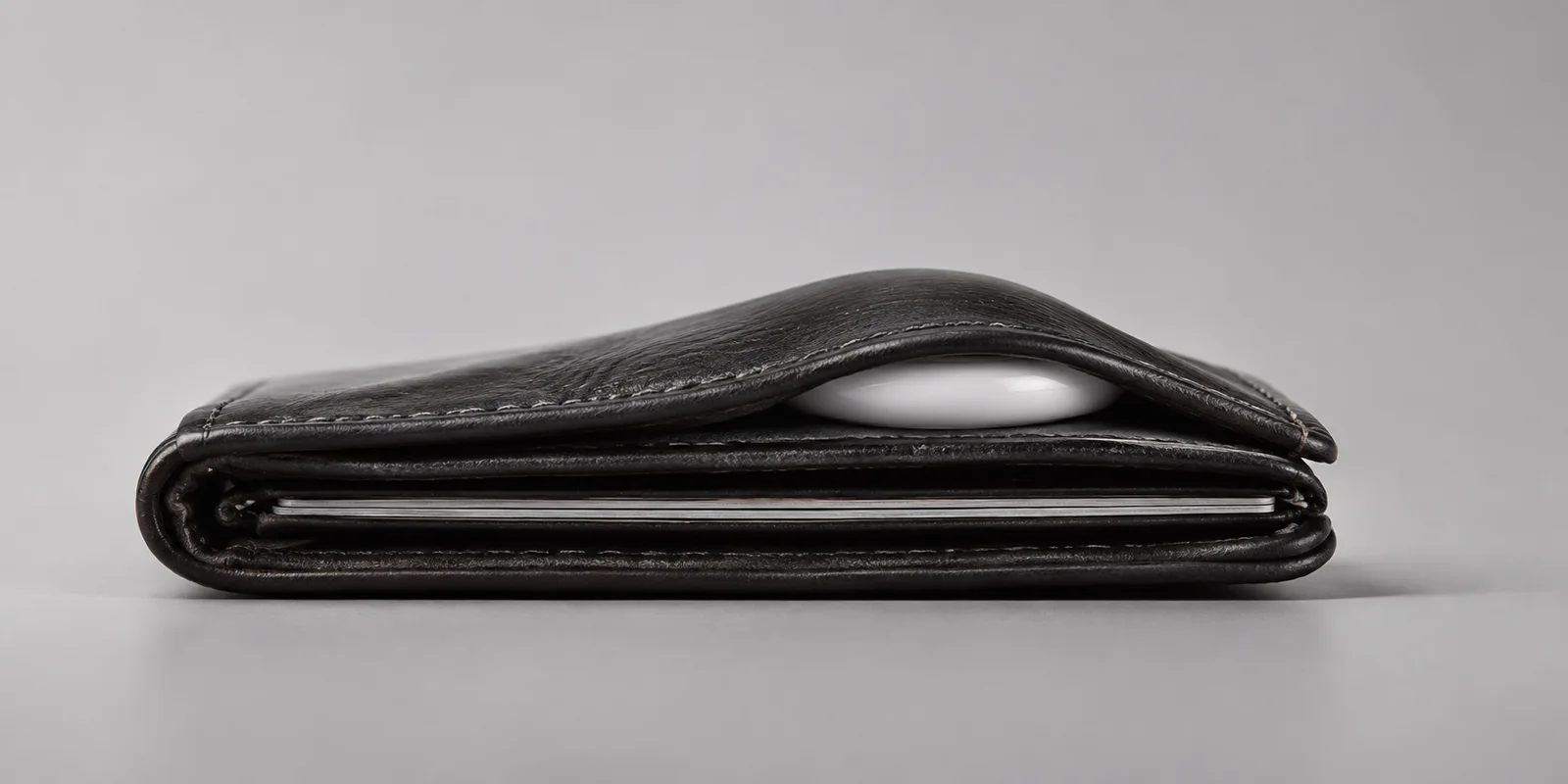
Unnecessary bulk
The device created an uneven profile.
A familiar form. A smarter function.
Rather than introducing an unfamiliar form factor, I designed around something already integrated into everyday wallets: the credit card.
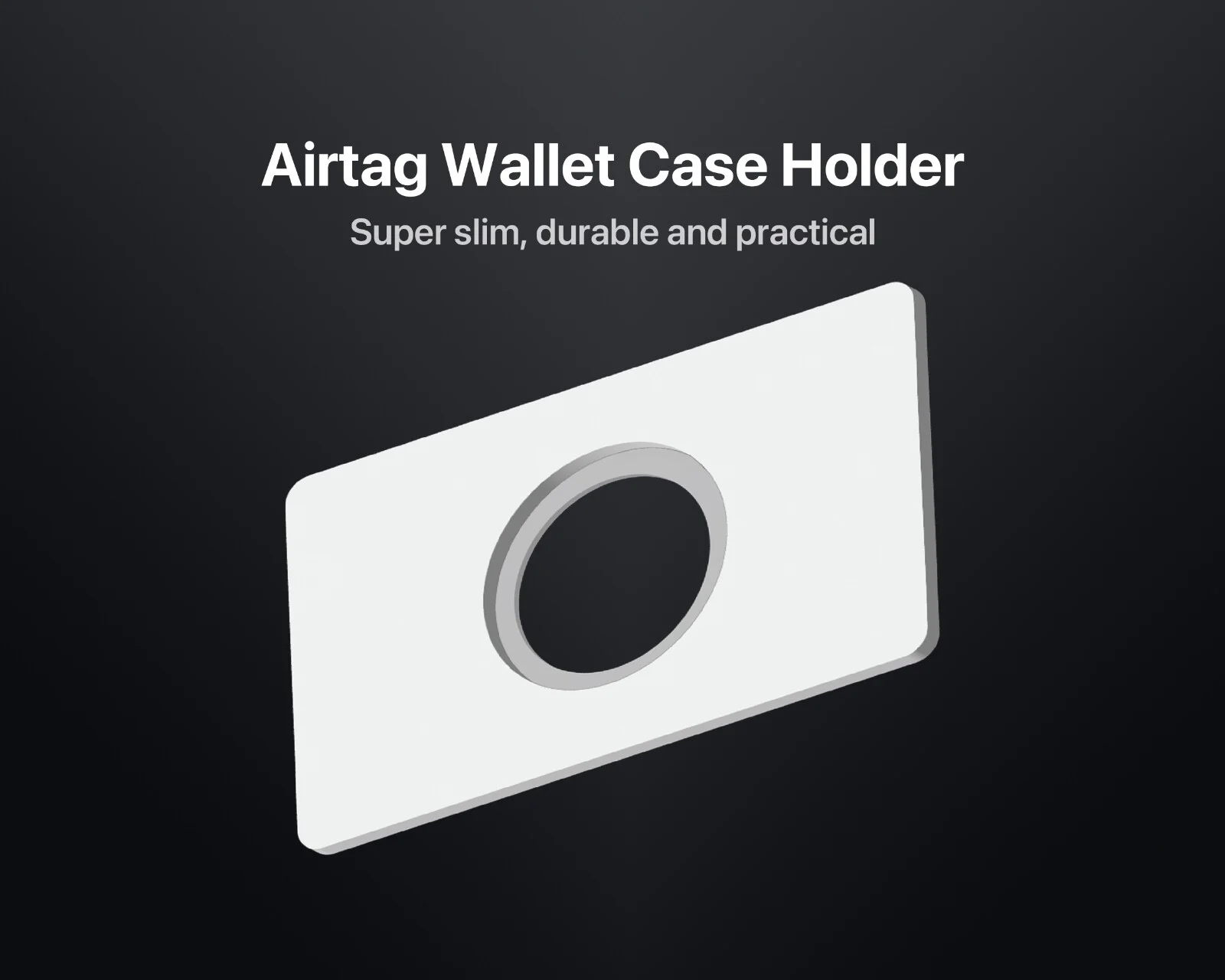
By embedding the AirTag within the card itself, the design provided a secure fit while distributing its thickness across a broader surface. A precision-cut opening allowed the device to remain in place through friction, eliminating the need for additional fastening components.
Three principles guided the design
Secure
Keep the AirTag in place during everyday use.
Minimal
Reduce unnecessary material and bulk.
Practical
Fit naturally into existing wallets.
Precision through iteration.
I translated the initial concept into technical drawings using Adobe Illustrator before developing physical prototypes through VCarve and precision cutting.
Achieving a reliable friction fit required careful adjustments to the opening's dimensions. Material selection, thickness, and structural flexibility became equally important as the product progressed through testing.
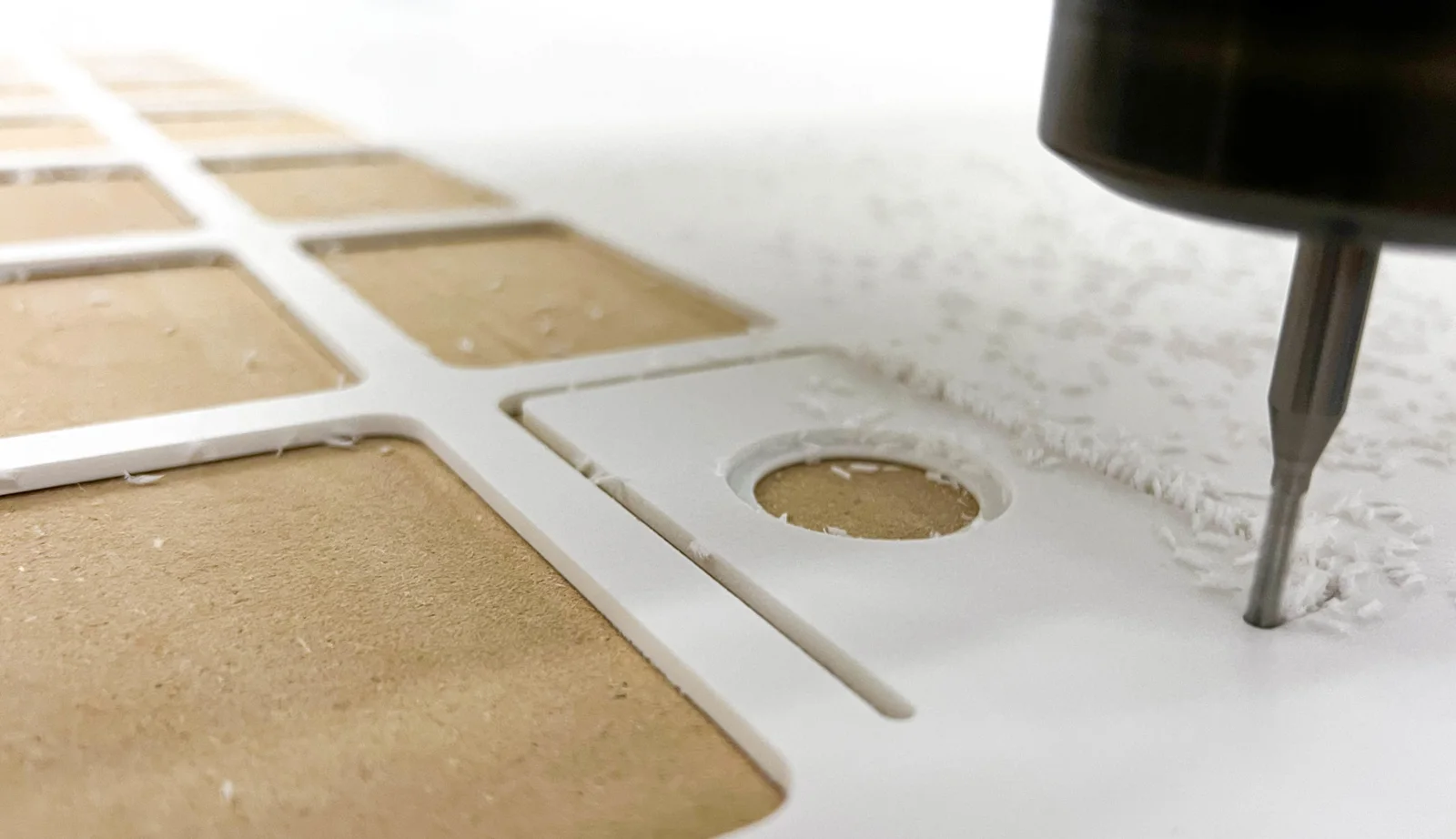
Finding the right material.
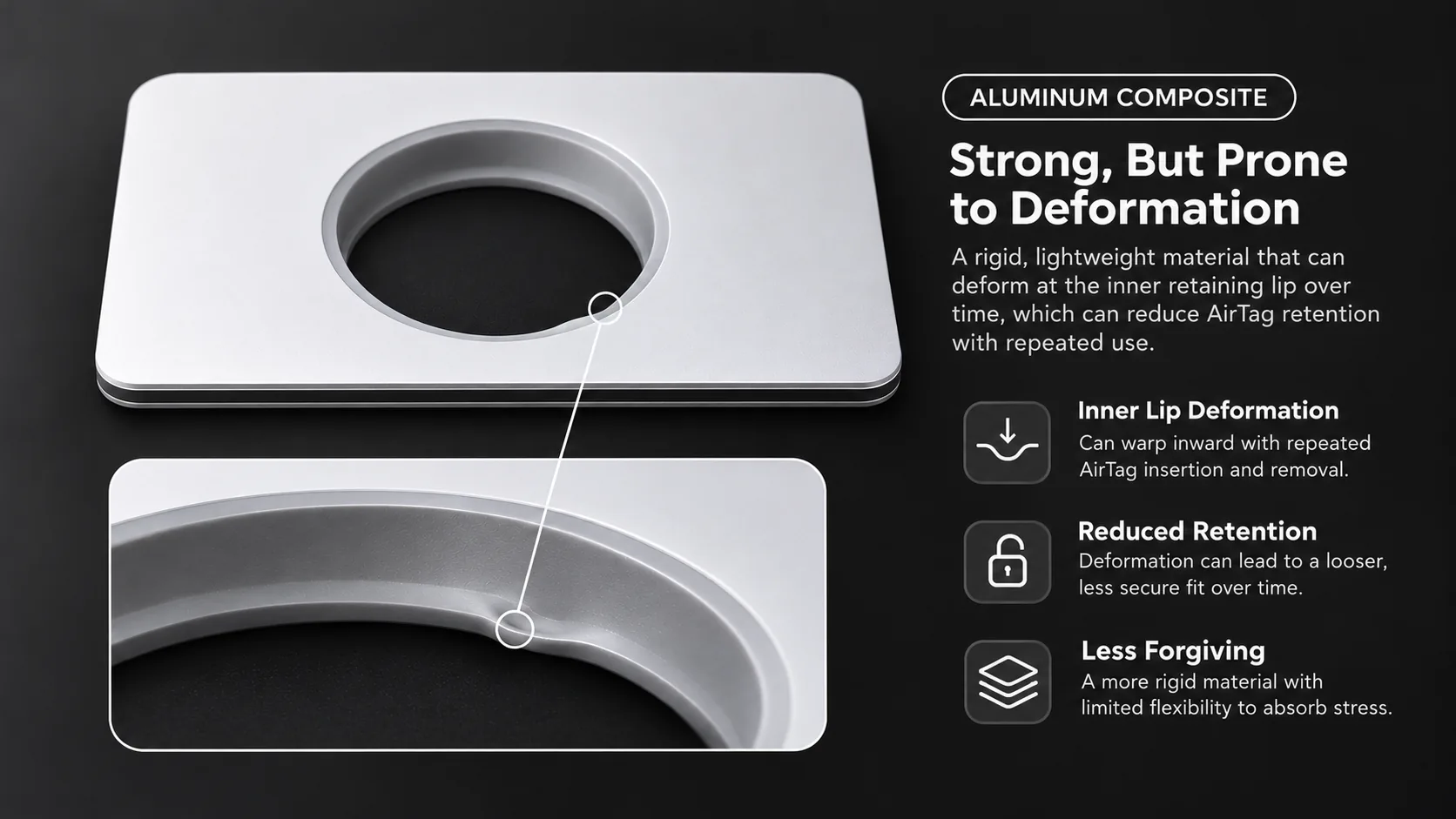
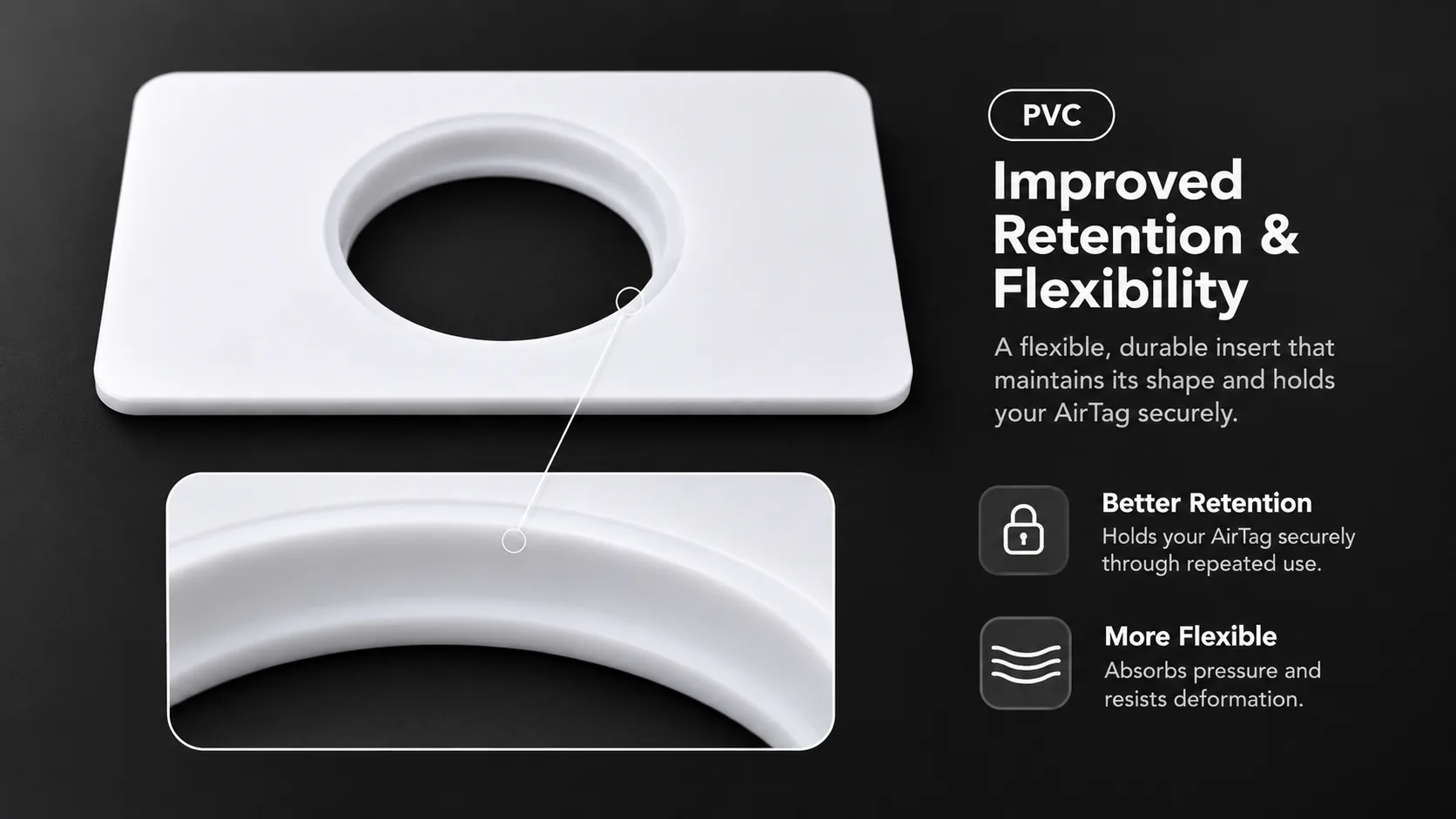
Initial prototypes used aluminum composite, which gradually deformed after repeated AirTag insertions. I transitioned to PVC to improve shape retention and maintain a more consistent fit.
Finding the right balance.
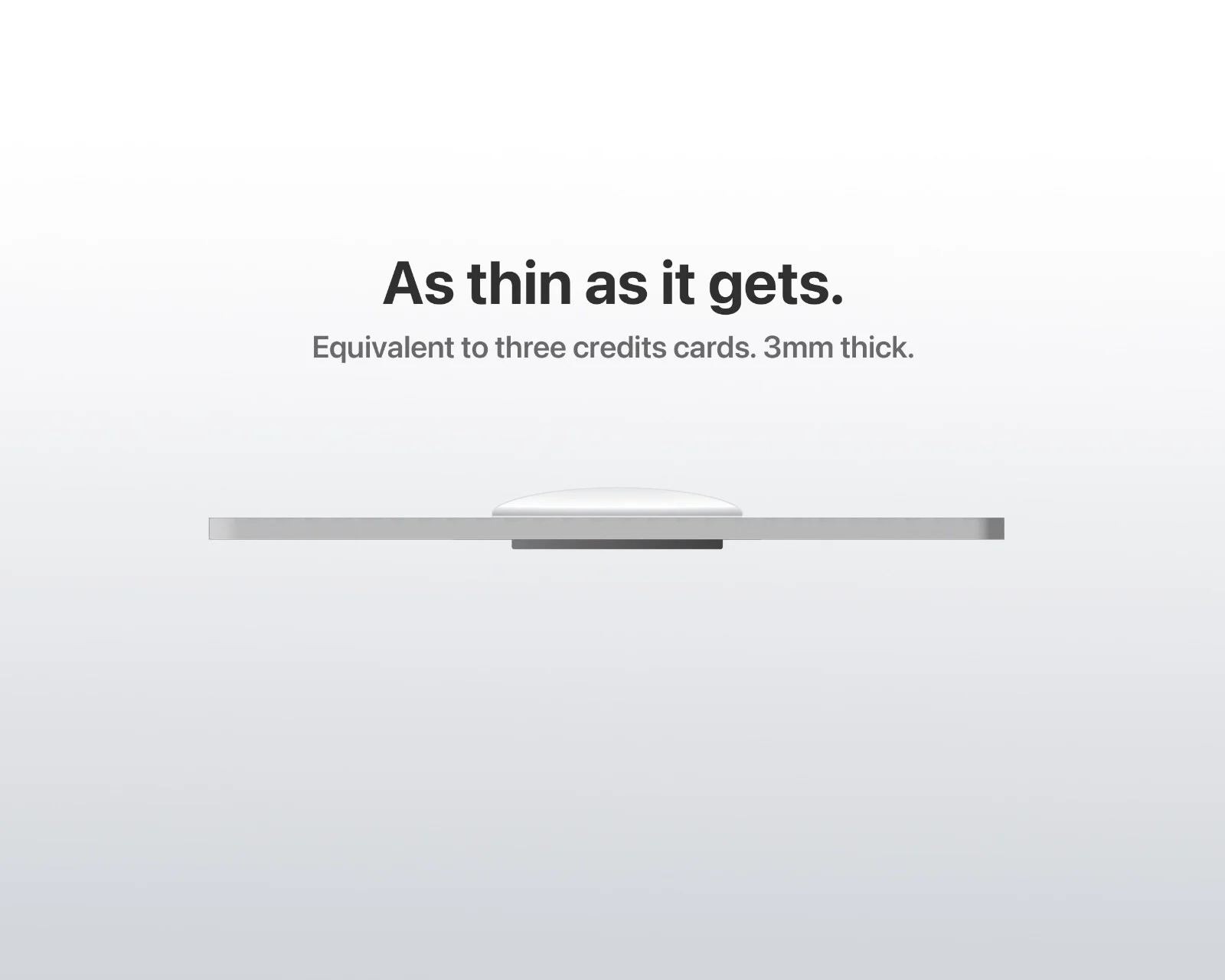
A 6 mm prototype provided greater coverage around the AirTag but introduced too much bulk. Through further testing, I settled on a 3 mm holder that balanced structural support with everyday usability.
Each iteration brought the product closer to its intended purpose: securing the AirTag without making the wallet unnecessarily cumbersome.
Simplicity, engineered.
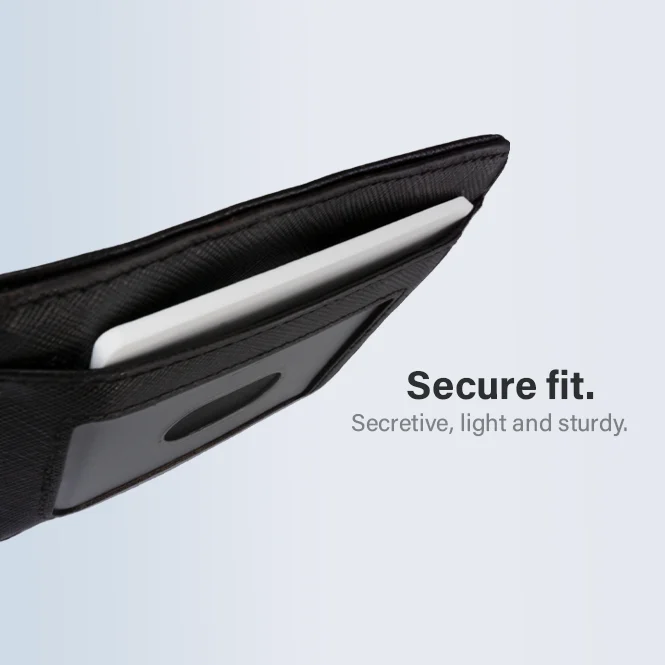
The final design brought together a familiar form factor, durable material, and a precision-cut friction-fit mechanism into a lightweight, minimalist accessory.
User testing validated the core design decisions, with participants reporting improved security, reduced wallet bulging, and ease of insertion.
Holder thickness
Durable construction
Minimal construction
Made for me. Carried by thousands.
What began as an investigation into a small everyday inconvenience evolved into a commercially successful consumer accessory.
Approximately
Units sold
Independently designed, developed, and commercialized.
This project reinforced my belief that meaningful design does not always require complexity. Sometimes, the most effective solution comes from understanding an existing behavior and improving it through thoughtful execution.
Owning the entire process, from research and prototyping to manufacturing and commercialization, gave me a deeper understanding of the relationship between design decisions, production constraints, and business outcomes.